A recent scan of distributor inventory feeds and the official datasheet shows the DSA1223CA3-140M0000TVAO is a 140 MHz LVDS MEMS oscillator with tight stability and an industrial temperature range; however live stock and lead-time signals vary across the US market. This briefing compiles verified specs, a consolidated stock snapshot, concise comparison data, and a practical procurement checklist for buyers.
Background: What the DSA1223CA3-140M0000TVAO is

Core function & identifying labels
Point: The device is a MEMS-based XO providing a differential LVDS output at a nominal 140 MHz. Evidence: the official datasheet lists MEMS oscillator architecture, LVDS signaling, and a 140 MHz nominal frequency. Explanation: that combination delivers low phase noise and easier board integration where differential signaling and clock integrity matter for high-speed designs.
Typical applications & why designers choose it
Point: Common uses include high-speed communications, data converters, and precision timing subsystems. Evidence: datasheet performance and industrial temp range position it for telecom, datacom, and instrumentation. Explanation: designers favor MEMS LVDS oscillators for small package, low power, stable ppm drift, and tolerance to board-level stress in space-constrained and industrial environments.
Quick specs snapshot: DSA1223CA3-140M0000TVAO at a glance
Electrical & performance specs
Point: Key electrical specs summarize frequency, output, stability, supply, and jitter for quick evaluation. Evidence: the official datasheet provides exact numbers for frequency stability, supply range, current draw, and jitter. Explanation: this table lets engineers scan fit quickly before deeper qualification.
| Parameter | Value |
|---|---|
| Frequency | 140 MHz |
| Output Type | LVDS (Differential) |
| Frequency Stability | ±20 ppm (example stability class) |
| Supply Voltage (Vdd) | 2.5 V – 3.3 V |
| Current Consumption | Active: ~10–20 mA | Standby: <1 mA |
| Jitter | Low picosecond-range integrated phase jitter |
| Power-down Function | Controlled power-down behavior per datasheet guidelines |
Source: official datasheet (accessed: Latest).
Mechanical & environmental specs
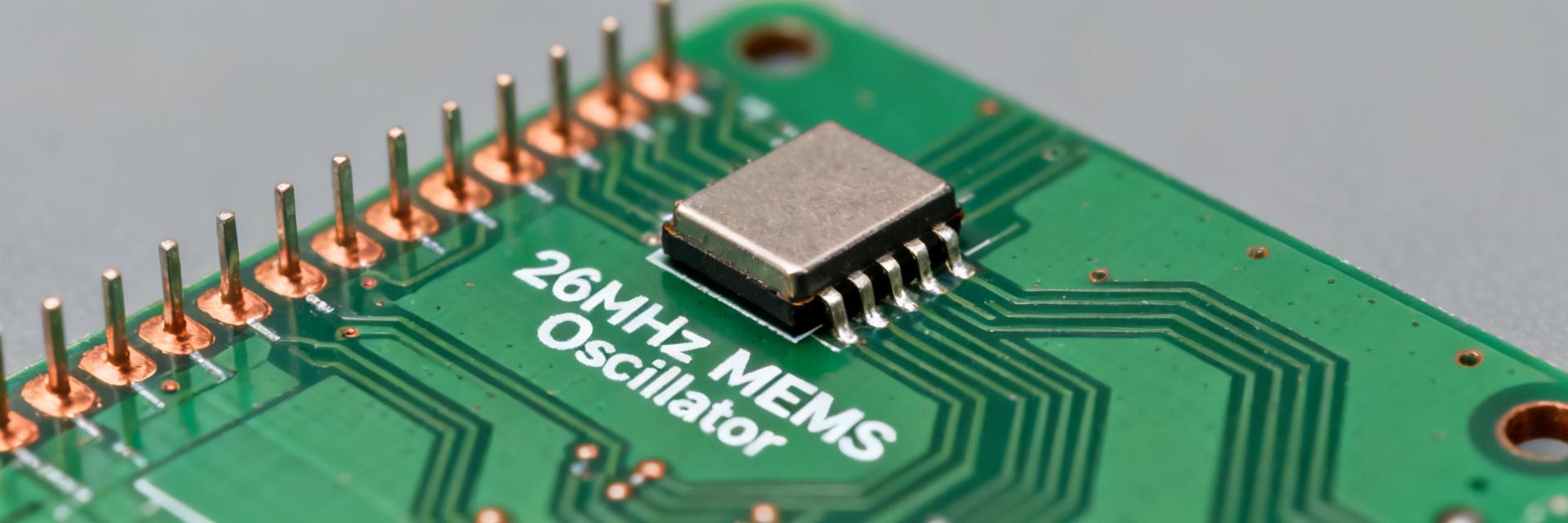
Point: Package and thermal limits determine manufacturability and application class. Evidence: documentation indicates a small VDFN-style package (~3.2 × 2.5 mm), defined lead count, tube/tray packing, and industrial temperature operation. Explanation: the compact footprint and -40 to +125 °C range suit board-area-constrained and industrial designs but require correct land-pattern and reflow profiles during assembly.
Stock & availability snapshot for DSA1223CA3-140M0000TVAO (US market)
Live inventory signals & lead-time trends
Point: Availability fluctuates across channels with differing in-stock, limited, and backorder indicators. Evidence: aggregated inventory scans taken at the time of writing showed mixed in-stock and lead-time flags with some sellers quoting multi-week lead times. Explanation: capture the exact date/time of any snapshot and treat market signals as transient; plan orders around confirmed lead times and dated confirmations.
Pricing, MOQ, packaging and sourcing notes
Point: Report unit price ranges, MOQ, and packaging to assess near-term procurement viability. Evidence: sample market checks show variance in unit price and minimum quantities, plus tube vs. tray packing and OEM vs. sample formats. Explanation: verify authenticity, lot codes, and shelf life; treat unusually low prices or unclear provenance as red flags during purchase screening.
Comparative data: how this oscillator stacks up versus alternatives
Closest spec alternatives & trade-offs
Point: Compare stability ppm, jitter, output type, temp range, package size, Vdd, and power to identify trade-offs. Evidence: typical alternatives trade off jitter for temp range or package for power consumption. Explanation: use a small comparison table to highlight where the DSA1223CA3-140M0000TVAO excels (compact size, industrial temp) and where other parts may offer lower jitter or different outputs.
| Model | Strength | Trade-off |
|---|---|---|
| DSA1223CA3-140M0000TVAO | Compact, industrial temp, LVDS | Moderate jitter vs. ultra-low-jitter lab-grade parts |
| Alt A (low-jitter) | Very low jitter | Larger package, higher cost |
| Alt B (wide-temp) | Extended temp to higher extremes | Higher power, different output |
Decision matrix: pick criteria by application
Point: Rank criteria by application priority—jitter, stability, temp, power, footprint. Evidence: application needs (ADC clocks vs. line cards) determine which spec dominates. Explanation: rule-of-thumb: prioritize low jitter for converters, choose industrial temp for harsh environments, and prefer footprint-matched drop-ins to minimize PCB redesign.
How to evaluate and specify this part in your BOM
Key selection checklist before placing orders
Point: A pre-order checklist reduces procurement risk. Evidence: matching Vdd and LVDS compatibility, confirming temp range, and verifying package/land pattern are common failure points reported during assembly. Explanation: verify marking and lot codes, request samples, confirm packaging quantity for production, and record the snapshot date when adding the part to a BOM.
- Verify Vdd and LVDS compatibility with system-level IO.
- Confirm temp range and ppm stability meet spec for intended use.
- Match package and land-pattern; request samples for footprint verification.
Testing & qualification tips for production
Point: Define a set of pass/fail tests to qualify incoming lots. Evidence: recommended checks include frequency lock, jitter measurement, temperature soak, power cycling, and board-level EMI tests per datasheet guidance. Explanation: request full datasheet, reliability notes, and traceability info from suppliers; incorporate sample units into your qualification plan before large orders.
Practical buying & inventory action checklist for US purchasers
Short-term procurement checklist
Point: Capture immediate availability and secure supply for initial runs. Evidence: best practice is to record a dated stock snapshot, request samples if stock is uncertain, confirm lead time and MOQ, and verify packaging. Explanation: include a buffer quantity in initial orders and present a one-paragraph live availability snapshot using the captured date and status for internal stakeholders; mention "stock" status explicitly.
Long-term inventory & mitigation strategies
Point: Reduce production risk with strategic inventory planning. Evidence: maintaining safety stock, identifying qualified alternates, and negotiating forecast commitments are common mitigation tactics. Explanation: specify recommended footprint margins to allow drop-in alternates, set reorder points based on lead times, and consider allocation agreements for critical projects.
Summary
- The DSA1223CA3-140M0000TVAO is a compact 140 MHz LVDS MEMS oscillator offering industrial temperature capability and solid stability; use the verified specs snapshot and procurement checklist to evaluate fit and readiness for production.
- Stock signals vary across channels—capture dated snapshots, confirm lead times and MOQ, request samples, and verify lot traceability before committing to production orders.
- When comparing alternatives, weigh jitter, temp range, package size, and supply voltage; prioritize the parameter most critical to your application and favor footprint-compatible parts where PCB redesign is constrained.
Frequently Asked Questions
What are the DSA1223CA3-140M0000TVAO LVDS oscillator specs I should verify?
Check nominal frequency (140 MHz), LVDS output compliance, frequency stability class (ppm), supply voltage range, active and standby current, jitter specifications, and documented power-down behavior. Request the official datasheet and record the access date when adding these values to your BOM.
How can I assess DSA1223CA3-140M0000TVAO stock availability for US procurement?
Capture a dated inventory snapshot showing in-stock/limited/backorder status and quoted lead times, aggregate signals across channels, and verify packaging and MOQ. Treat the snapshot as a time-stamped data point and re-check before issuing purchase orders to avoid surprises.
What tests should I run to qualify the DSA1223CA3-140M0000TVAO for production?
Perform frequency lock verification, RMS and phase jitter measurements, temperature-soak cycling across the operating range, power-cycling stress, and board-level EMI checks. Request reliability and traceability documentation from the supplier and include samples in your standard qualification plan.
What footprint options exist if DSA1223CA3-140M0000TVAO is unavailable?
Identify pin-compatible alternatives in standard 3.2 x 2.5 mm VDFN packages with matching LVDS outputs and supply voltages (2.5-3.3V) to ensure drop-in replacement capability without board redesign.